
Back pain is one of the most common reasons people seek medical care. From herniated discs to chronic lower back discomfort, spinal conditions can significantly affect daily life. For individuals searching for spinal decompression therapy Mississauga ON, understanding how this treatment works along with its benefits and risks is essential before starting care.
At Pro Active Physiotherapy Clinic, spinal decompression is offered as part of a comprehensive, evidence-based rehabilitation approach designed to reduce pain and restore mobility safely.
This complete guide explains everything you need to know.
What Is Spinal Decompression Therapy?
Spinal decompression therapy is a treatment designed to relieve pressure on the spine and spinal discs. It works by gently stretching the spine using controlled traction to create space between vertebrae.
There are two types:
- Non-surgical spinal decompression therapy
- Surgical spinal decompression (such as laminectomy or discectomy)
Most physiotherapy clinics focus on non-surgical spinal decompression therapy, which is conservative, low-risk, and performed without incisions.
Non-Surgical vs Surgical Spinal Decompression Therapy
Non-Surgical Spinal Decompression Therapy
This method uses a motorized traction table to gradually stretch the spine. It is typically recommended for disc-related back pain and nerve compression.
Advantages:
- Non-invasive
- No downtime
- Lower risk compared to surgery
- Gradual, controlled treatment
Surgical Spinal Decompression
Surgery may involve removing part of a disc or bone to relieve pressure on nerves. It is generally reserved for severe cases when conservative treatments fail.
For most patients experiencing disc or nerve-related discomfort, spinal decompression treatment through non-surgical methods is explored first.
How Spinal Decompression Therapy Works
Spinal decompression works by creating negative pressure within the affected disc. This:
- Reduces pressure on compressed nerves
- Encourages retraction of herniated or bulging discs
- Improves circulation to damaged tissues
- Promotes healing by increasing nutrient exchange
This controlled stretching is carefully monitored to ensure safety and comfort.
What Happens During a Spinal Decompression Therapy Session
During treatment:
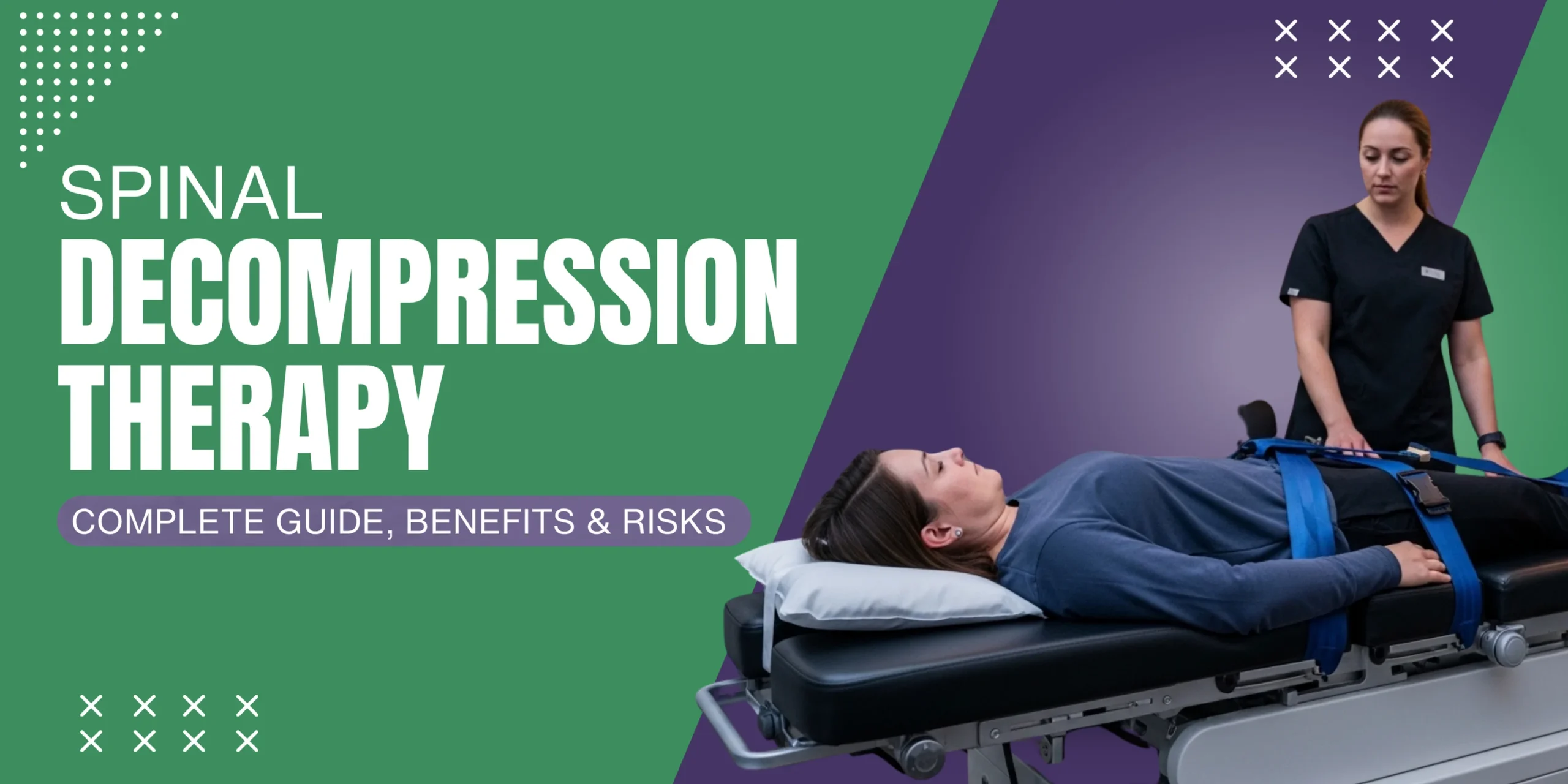
- You lie comfortably on a specialized traction table.
- A harness is placed around your pelvis or torso.
- The machine applies gentle, computer-controlled stretching.
- Sessions typically last 20–30 minutes.
The force applied is customized to your condition and comfort level.
How Spinal Decompression Therapy Helps Spinal Discs Heal
Spinal discs rely on movement and pressure changes to receive nutrients. By reducing compression and improving fluid exchange, decompression therapy supports natural healing mechanisms.
This is especially beneficial for patients seeking spinal decompression therapy for back pain related to disc degeneration or herniation.
Conditions Treated with Spinal Decompression Therapy
Spinal decompression therapy may help treat:
- Herniated discs
- Bulging discs
- Degenerative disc disease
- Facet joint syndrome
- Chronic lower back pain
- Neck pain
- Spinal stenosis
Can Spinal Decompression Therapy Help Sciatica and Nerve Pain?
Yes. Sciatica often occurs due to disc pressure on the sciatic nerve. By relieving disc compression, spinal decompression treatment may reduce nerve irritation and associated leg pain, tingling, or numbness.
Benefits of Spinal Decompression Therapy
There are several spinal decompression therapy benefits, including:
- Reduced back and neck pain
- Decreased nerve pressure
- Improved mobility
- Non-invasive approach
- Minimal recovery time
Short-Term and Long-Term Benefits of Spinal Decompression Therapy
Short-Term Benefits
- Reduced pain intensity
- Improved range of motion
- Relief from nerve-related symptoms
Long-Term Benefits
- Enhanced spinal function
- Reduced reliance on medication
- Improved posture and stability
- Better overall quality of life
Is Spinal Decompression Therapy Safe?
When performed by trained professionals, non-surgical spinal decompression therapy is generally safe. Proper patient assessment is essential to determine suitability.
Is Spinal Decompression Therapy Painful?
Most patients describe the sensation as gentle stretching. Some mild discomfort may occur initially, but it is typically temporary and monitored carefully.
Does Spinal Decompression Therapy Really Work?
The spinal decompression therapy success rate varies depending on the condition being treated, severity of disc damage, and patient compliance with rehabilitation exercises.
Many patients report noticeable improvement, particularly when decompression is combined with strengthening and mobility exercises.
How Long Does It Take to See Results from Spinal Decompression Therapy?
Some individuals notice improvement within a few sessions, while others may require several weeks. Results depend on:
- Severity of the condition
- Duration of symptoms
- Overall health
- Consistency of treatment
Risks and Side Effects of Spinal Decompression Therapy
While generally safe, potential spinal decompression therapy side effects may include:
- Temporary soreness
- Mild muscle spasms
- Slight increase in pain initially
Serious spinal decompression therapy risks are rare when treatment is properly administered.
Who Should Avoid Spinal Decompression Therapy?
Spinal decompression may not be recommended for individuals with:
- Severe osteoporosis
- Spinal fractures
- Tumors
- Advanced spinal instability
- Pregnancy (in some cases)
A thorough evaluation is necessary before starting treatment.
Who Is a Good Candidate for Spinal Decompression Therapy?
Ideal candidates include individuals with:
- Chronic lower back pain
- Disc-related nerve compression
- Sciatica
- Limited response to other conservative treatments
Patients seeking spinal decompression therapy Mississauga ON often benefit from a comprehensive assessment before beginning care.
What to Expect After Spinal Decompression Therapy
After sessions, patients may:
- Experience temporary muscle soreness
- Be advised to perform strengthening exercises
- Receive posture correction guidance
Combining decompression with physiotherapy enhances long-term results.
Cost of Spinal Decompression Therapy
Costs vary depending on the number of sessions and clinic location. Many clinics offer package plans, and some insurance providers may partially cover physiotherapy services.
Patients searching for spinal decompression therapy Mississauga ON should consult directly with the clinic for pricing and insurance details.
Conclusion
Spinal decompression therapy offers a non-invasive option for individuals suffering from disc-related back and nerve pain. With benefits such as reduced pressure on spinal discs, improved circulation, and enhanced mobility, it is increasingly considered as an effective conservative treatment.
If you’re considering non-surgical spinal decompression therapy, consult experienced professionals like Pro-Active Physiotherapy Clinic in Mississauga for a comprehensive assessment and personalized treatment plan tailored to your condition.
Relief begins with the right approach and informed decisions make all the difference.
Table of Contents

At Pro-Active Physiotherapy Clinic, we strive to provide top-quality service so you can reach your health and wellness goals. Our talented, expert physiotherapists in Mississauga are excited to see you one-on-one and work with you through whatever treatment you need.