
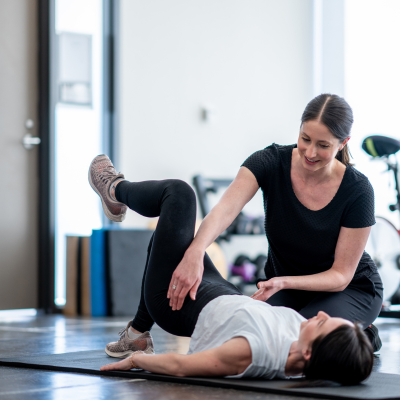
There are few experiences in life more extraordinary than becoming a mother. But something no one talks about is the toll that childbirth can take on your body — particularly when it comes to the pelvic floor. So postpartum recovery is not about “getting your body back” to how it was before baby, but about rebuilding strength, stability, and confidence from the inside out. That’s where pelvic floor therapy comes in.
Understanding the Pelvic Floor
The pelvic floor is a set of muscles and other tissues that support the bladder, uterus, and rectum. These muscles get stretched and weakened during pregnancy and childbirth, as they’re forced to support the weight of carrying a baby, and then strained by the effort of delivering that baby.
The pelvic floor, when not strong and stable, can cause such common but sometimes forgotten about problems as:
- Urinary leakage (incontinence)
- Pelvic pain or pressure
- Reduced sexual satisfaction
- Lower back or hip pain
- Pelvic organ prolapse
Pelvic floor therapy can help new mothers regain muscle strength and coordination and help stave off long-term issues.
Why Pelvic Floor Therapy Is Essential After Childbirth
1. Supports Faster Postpartum Recovery
Even if you feel “fine” after childbirth, your pelvic muscles have been under an extraordinary amount of strain. A pelvic floor therapist can evaluate your muscle tone, pinpoint weaknesses and create a customized recovery plan for you. By doing so, your body will heal properly, and it won’t cause any issues down the road.
2. Prevents and Treats Incontinence
It’s common for women to pee a little when coughing, laughing or sneezing after giving birth — but it’s not normal. Through pelvic floor therapy, their bladder control muscles are retrained and may reduce or eliminate incontinence. If treated early, the problem will not become chronic later in life.
3. Reduces Pelvic and Lower Back Pain
If your pelvic floor muscles are weak, it can result in misalignment and tension in the hips, spine, and core. By using focused exercises and manual therapy, pelvic floor specialists assist you in achieving stability and reducing pain so that you can move and care for your baby free of discomfort.
4. Improves Sexual Health and Confidence
Some women find sex painful or have less feeling after a baby. Pelvic floor therapy promotes blood flow, flexibility, and muscle strength, helping increase comfort and confidence. It’s an essential step on your way to feeling like you again — physically and emotionally.
5. Prevents Pelvic Organ Prolapse
When pelvic organs such as the bladder or uterus descend due to weakened support, it’s called pelvic organ prolapse. Pelvic floor physical therapy helps strengthen those muscles, reducing symptoms of heaviness or bulging and preventing the condition from progressing.
What Pelvic Floor Physical Therapy Feels Like
Your initial appointment often begins with an assessment to determine your symptoms, medical history and the condition of your muscles. A pelvic floor therapist will:
- Assess posture, breath and core recruitment
- Apply soft internal and external muscle checks (if you are comfortable with that)
- Educate About Appropriate Firming and Relaxation Exercises
- Develop a tailored home exercise program
Treatment is discreet, professional and adjusted to your comfort level. It takes a while, but for most new moms, the progress becomes apparent within weeks.
When Should You See a Pelvic Floor Therapist?
We want new mothers to schedule an evaluation 6–8 weeks post-partum after their physician has cleared them. However, it’s never too late. Even if you delivered months or years ago, pelvic floor therapy can still help with strength, movement and well-being.
Empowering Your Recovery Journey
Good care in the postpartum period should go beyond rest and nutrition; it should also include pelvic floor rehabilitation. Just as you’d visit a physiotherapist for a sore knee, your pelvic muscles need some TLC after having a baby.
Conclusion
At Pro-Active Physiotherapy Clinic, we understand that every new mother should be able to recover in confidence fully. Our specially-trained physical therapists of pelvic floor dysfunction deliver caring, effective treatment to restore your strength, function and confidence. Why wait for symptoms to occur when you can take a proactive step toward long-term pelvic health today?
